
Blog
Beyond Flowers: How to Build a Complete Pollinator Habitat
Mar
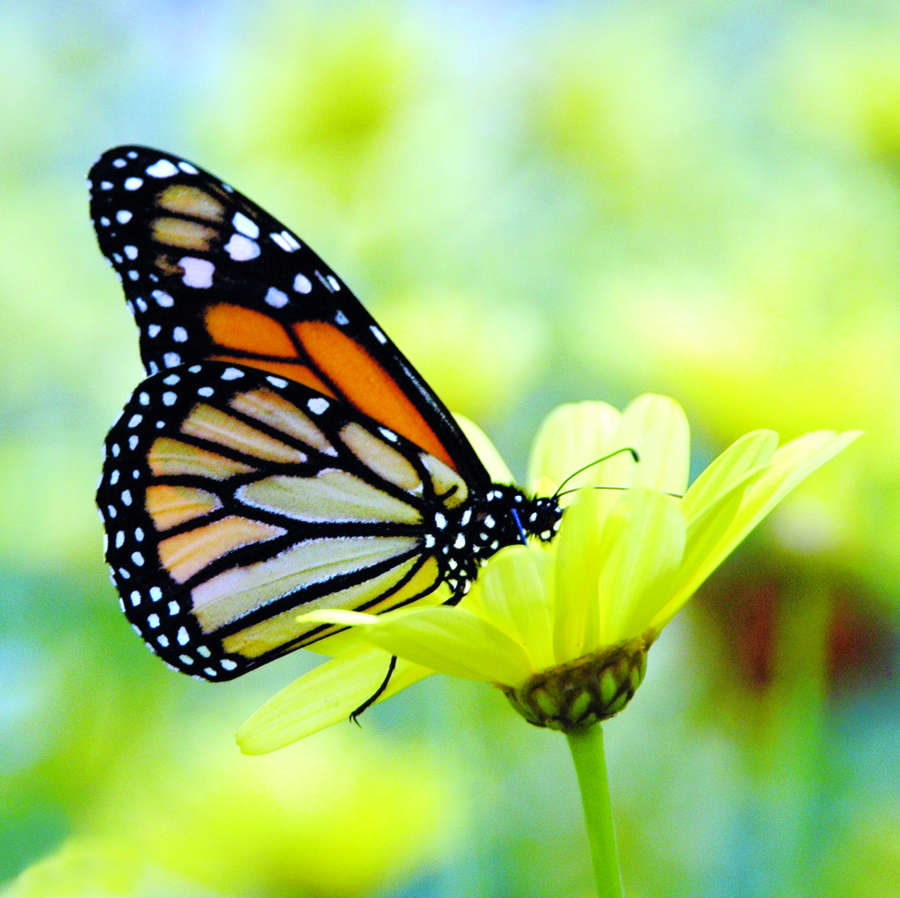
Pollinators like bees, butterflies, and hummingbirds rely on more than just flowers to thrive. While nectar-rich blooms are essential, a truly supportive pollinator habitat includes water sources, shelter, and a succession of blooms to provide food throughout the seasons. Creating a pollinator-friendly garden not only supports biodiversity but also ensures a vibrant and healthy landscape in your own backyard.
1. Water: The Essential Element
Pollinators need access to fresh water to stay hydrated and regulate body temperature. Providing a water source in your garden can help sustain them, especially during dry spells.
Shallow Dishes & Puddling Stations – A shallow dish filled with water and a few flat stones provides a safe place for butterflies and bees to land and drink.
Mud Puddles for Butterflies – Butterflies extract essential minerals from damp soil. Leave a small wet area in your garden for them to enjoy.
Birdbaths & Dripping Water – A gently dripping hose or a small birdbath with sloped edges serves as an excellent water source for a variety of pollinators.
2. Shelter: A Safe Haven
Pollinators need protection from predators, harsh weather, and seasonal changes. Creating shelter ensures that they have a place to rest, hide, and even nest.
Dense Shrubs & Native Grasses – These provide resting spots for butterflies and moths. Early blooming shrubs like Hellebores can also offer nectar when other flowers are scarce.
Bee Hotels & Hollow Stems – Solitary bees, such as mason bees, seek out hollow stems and small crevices to nest in. Consider leaving standing plant stalks or installing a bee hotel.
Leaf Litter & Logs – Many pollinators overwinter in leaf litter, brush piles, or logs. Avoid excessive yard cleanups in the fall to preserve their habitat.
3. Bloom Succession: Flowers for Every Season
Ensuring that pollinators have a continuous supply of nectar throughout the year is key to a thriving habitat. A well-planned garden should include early, mid-season, and late-blooming plants to support pollinators year-round.
Early Spring Bloomers – Hellebores, Pansies, Primrose, and Ranunculus provide an early food source for bees when few other plants are in bloom.
Mid-Season Favorites – Coneflowers, bee balm, and milkweed serve as peak-season powerhouses for bees and butterflies.
Late-Season Pollinator Plants – Goldenrod and asters offer vital nectar before winter, helping pollinators store energy.
Winter Considerations – Even in the colder months, dried seed heads and plant stalks provide food and shelter for overwintering pollinators.
At Copia Home and Garden, we offer a variety of pollinator-friendly plants to help you create a thriving habitat in your garden. Whether you’re looking for early-blooming shrubs, vibrant Ranunculus, or hardy Hellebores, we have everything you need to support pollinators while enhancing your landscape. Stop by and explore our selection to get started on your pollinator garden today!

