
Blog
Build a Cold Frame: Grow Through the Winter
Oct
At Copia Home and Garden, we believe gardening can be a year-round adventure. With a cold frame, you can extend your growing season and enjoy fresh, homegrown greens and root vegetables all winter long. Whether you’re a seasoned gardener or someone looking for a new challenge, constructing a cold frame is the perfect project to elevate your winter gardening game.
What is a Cold Frame?
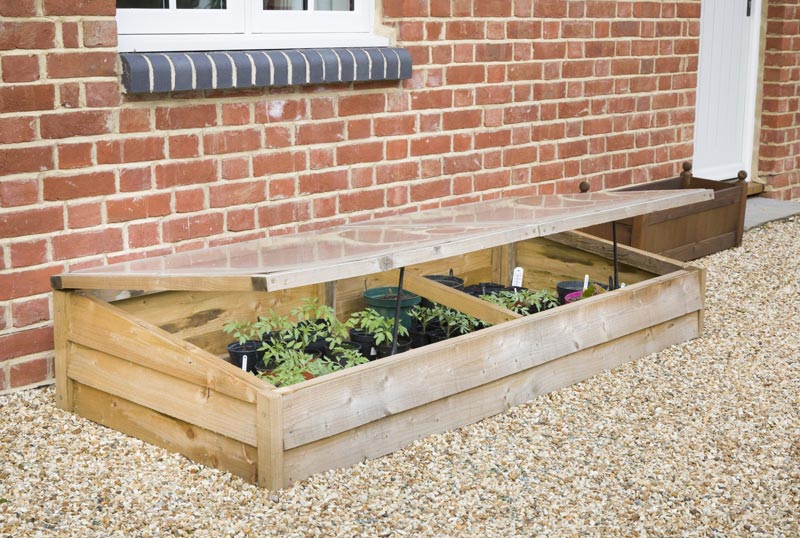
A cold frame is a small, unheated enclosure that protects plants from harsh winter elements while trapping sunlight to create a warmer environment inside. It’s an ideal way to keep growing cool-weather crops such as leafy greens, carrots, and radishes during the colder months.
Materials You’ll Need:
- Wood or bricks for the frame (cedar is a durable option for wood)
- A clear cover like glass, plexiglass, or plastic
- Hinges for the cover to allow ventilation
- Rich soil and compost for planting
- Basic tools such as a hammer, saw, and screws
Steps to Build Your Cold Frame:
- Find the Ideal Location
Choose a sunny spot in your garden, preferably with southern exposure, to maximize the sunlight captured by the cold frame. Ensure the ground is level for proper drainage. - Build the Frame
Measure and construct the frame to your desired size, commonly around 3 feet by 6 feet. Create a sloped design with the back of the frame taller than the front to help rainwater and snow drain off the top. - Attach the Transparent Top
The clear cover is key to trapping warmth. Attach it to the frame using hinges so you can easily prop it open for ventilation on warmer days. - Prepare the Soil
Inside the cold frame, ensure the soil is nutrient-rich and well-draining by mixing in compost. Adding mulch or straw around your crops can provide extra insulation. - Plant Cold-Hardy Vegetables
Choose crops that thrive in cooler weather, including:- Leafy greens like spinach, kale, and Swiss chard
- Root vegetables like carrots, radishes, and turnips
- Hardy herbs like parsley and thyme
Caring for Your Cold Frame:
- Ventilation Matters: On sunny days, it’s important to vent your cold frame to avoid overheating. Open the top slightly to regulate the temperature and prevent condensation buildup.
- Watch the Temperature: Aim to keep the inside temperature between 40°F and 65°F. You can use blankets or straw bales around the frame for extra insulation on particularly cold nights.
- Water Lightly: Plants in a cold frame need less water than those in summer. Keep the soil moist, but be careful not to overwater.
Why Build a Cold Frame?
- Extend Your Growing Season: With a cold frame, you can harvest fresh vegetables well beyond the traditional growing months.
- Enhanced Flavor: Many cold-hardy crops develop a sweeter taste when exposed to light frost, making your winter harvest even more enjoyable.
- Year-Round Gardening: Building a cold frame allows you to cultivate a more sustainable and self-sufficient garden, reducing your reliance on grocery store produce during the colder months.
Ready to Build Your Cold Frame?
Whether you’re looking for building materials or seeds for cold-weather crops, Copia Home and Garden has everything you need to get started. Our team of experts is here to offer advice and help you choose the right supplies for your project.
Stop by Copia Home and Garden today and discover how a cold frame can keep your garden growing through the winter. Let’s keep the harvest going all year round!

