
Blog
Fall Bulb Planting Guide: Tulips, Daffodils & Beyond
Sep
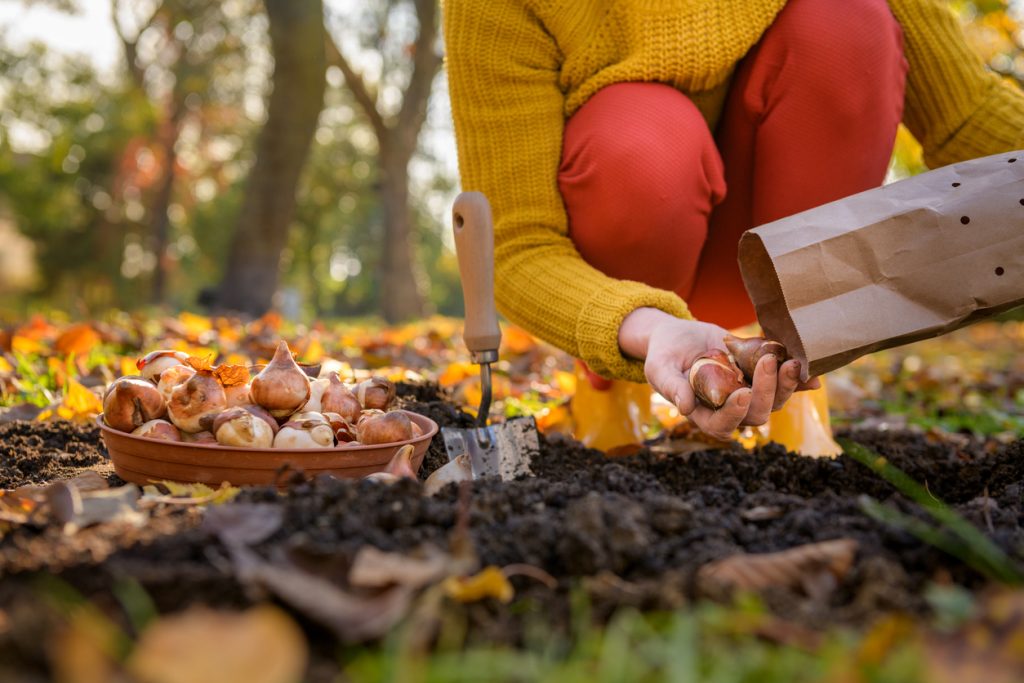
There’s something magical about planting bulbs in fall. You tuck them into the soil when the days are crisp and the garden is winding down, then months later—when winter finally loosens its grip—bright blooms appear, a cheerful reminder of spring’s arrival.
Why Plant Bulbs in Fall?
Bulbs such as tulips, daffodils, hyacinths, and crocus need a period of cold dormancy to flower. Planting them in autumn gives them time to establish roots before the ground freezes and ensures they’ll wake up in spring ready to put on a show.
Choosing the Right Bulbs
-
Tulips: Available in nearly every color, from classic reds and yellows to striking bi-colors and fringed varieties.
-
Daffodils: Deer- and rodent-resistant, with cheery yellow, white, and orange blooms.
-
Hyacinths: Known for their fragrance and dense clusters of flowers.
-
Crocus: Some of the earliest to bloom, adding pops of color even through late snow.
-
Alliums: Tall, architectural blooms that add drama to late-spring gardens.
Look for firm, healthy bulbs—bigger bulbs generally produce stronger flowers.
When & How to Plant
-
Timing: Plant bulbs once soil temperatures cool to around 55°F, usually in late September through November.
-
Depth: A good rule of thumb is to plant bulbs 2–3 times as deep as the bulb is tall. For example, a 2-inch tall tulip bulb should be planted 4–6 inches deep.
-
Spacing: Allow enough room for growth—3 to 6 inches apart depending on the variety.
-
Positioning: Place bulbs with the pointed end up and the root side down.
-
Soil: Well-draining soil is key; add compost or bulb food at planting for best results.
Design Ideas
-
Naturalizing: Scatter bulbs across a lawn or woodland edge for a relaxed, meadow-like look.
-
Layering (Lasagna Planting): Plant early, mid-, and late-season bulbs in the same hole at different depths for continuous bloom in one spot.
-
Containers: Bulbs do beautifully in pots—just be sure they’re deep enough and stored where they’ll stay cold but not freeze solid.
After Planting Care
Water bulbs well after planting to help them settle in. Then let nature take over! In spring, allow foliage to die back naturally so the bulb can recharge for next year.

