
Blog
Winterize Your Garden
Nov
The Essential End-of-Season Checklist
Before winter settles in, a few smart end-of-season tasks will protect your plants, tools, and outdoor spaces so you’re ready for a strong start come spring. Here’s a practical checklist for gardeners in Zone 6a (South Salem, NY) to make sure nothing gets overlooked.
1. Cut Back and Clean Up
Begin by trimming back perennials that have finished for the year. Cut down daylilies, hostas, peonies, and other soft-stemmed plants after their foliage yellows and collapses. Leave ornamental grasses, coneflowers, and black-eyed Susans standing if you like their winter texture or want to feed birds.
Pull out spent annuals, rake fallen leaves from beds, and compost healthy debris. This prevents pests and diseases from overwintering.
2. Protect Tender Plants
Apply a layer of mulch or compost around the base of perennials, shrubs, and trees once the ground begins to freeze. This keeps soil temperatures stable and prevents freeze-thaw damage.
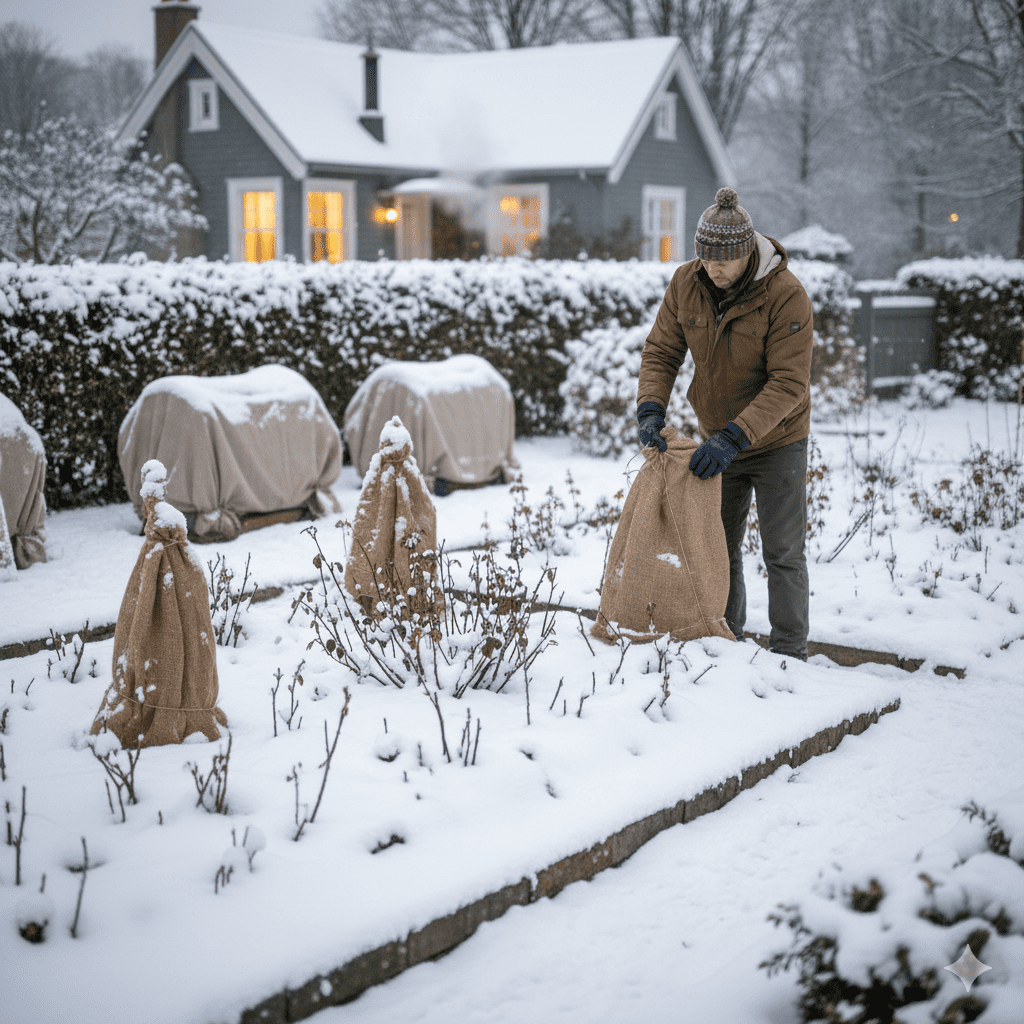
Wrap young boxwoods, evergreens, and delicate shrubs with burlap to shield them from drying winter winds and heavy snow. Secure with twine and stakes to keep coverings in place.
3. Care for Containers and Soil
Empty clay or ceramic pots to prevent cracking from frozen soil. Clean and store them in a shed or garage for the season.
If you’re leaving containers outdoors, switch to frost-proof planters filled with soil or sand to keep them anchored.
Add a top layer of compost or mulch to garden beds before the ground freezes. This replenishes nutrients and protects soil structure for spring planting.
4. Drain and Store Garden Tools
Disconnect and drain garden hoses, fountains, and irrigation lines before freezing temperatures arrive. Coil hoses and store them indoors.
Clean and oil pruners, shovels, and other tools before storing them in a dry place. A quick wipe with mineral oil helps prevent rust and keeps tools ready for spring use.
5. Prepare for Wildlife and Winter Interest
Feeders, suet cages, and a small heated birdbath can support birds through cold months. Leave seed heads on certain perennials like echinacea and rudbeckia for a natural food source and winter beauty.
FAQ
Q: When is the best time to start winterizing?
A: Begin after the first frost when most perennials have gone dormant but before the ground freezes solid—usually late October to mid-November in South Salem.
Q: Should I prune shrubs in fall?
A: Avoid major pruning now, as it can stimulate new growth that won’t harden before winter. Save heavy pruning for late winter or early spring.
Q: Can I still add compost or mulch after frost?
A: Yes. Applying it once the soil is cold helps seal in moisture and insulate roots all winter.
A little end-of-season care goes a long way toward a healthier, easier spring. Stock up now on compost, mulch, and burlap—your garden’s best protection for winter.
Visit Copia Home & Garden, 475 Smith Ridge Rd, South Salem, NY 10590, for everything you need to winterize your landscape and check every box on your seasonal checklist.

