
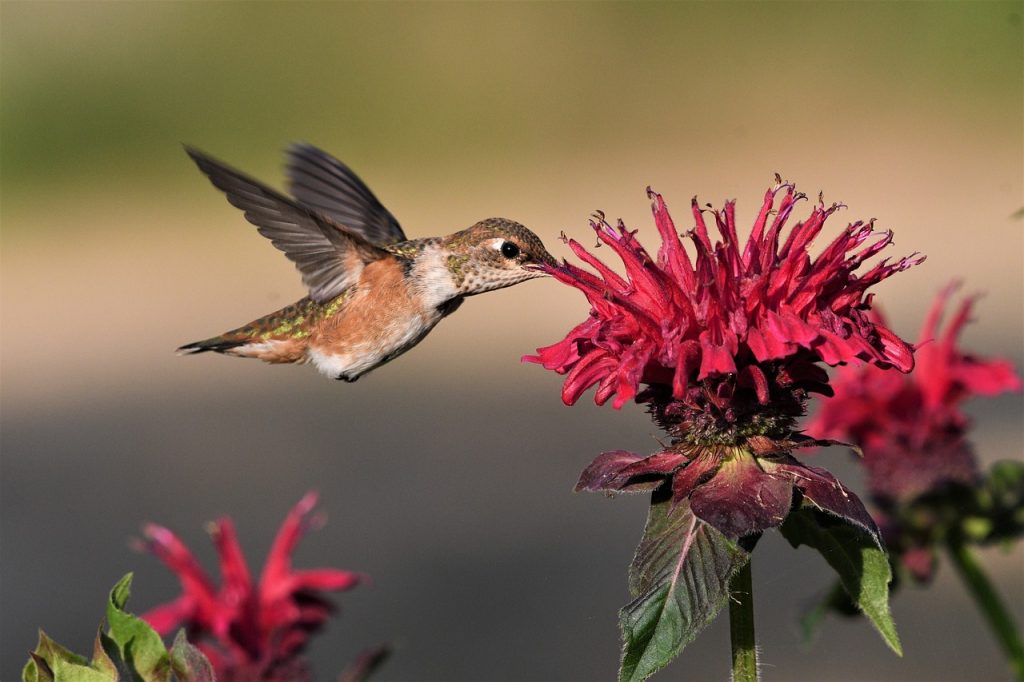
Creating a garden that invites butterflies and hummingbirds is not only visually stunning but also supports the crucial work of these pollinators. By carefully selecting plants and designing your garden with these visitors in mind, you can enjoy a vibrant and lively space all summer long. Here’s how to build a garden that attracts and supports butterflies and hummingbirds.
1. Select Pollinator-Friendly Plants
The key to attracting butterflies and hummingbirds is to choose plants that offer plenty of nectar and pollen. Incorporating a variety of blooms will ensure your garden is a hotspot for pollinators throughout the summer.
Milkweed (Asclepias spp.): A critical plant for monarch butterflies, milkweed provides food for caterpillars and nectar for adult butterflies. It’s an essential addition to any butterfly garden.
Bee Balm (Monarda spp.): With its vibrant flowers in shades of red, pink, or purple, bee balm is a favorite for both hummingbirds and butterflies. Its extended blooming season makes it a reliable nectar source.
Salvia (Salvia spp.): Salvia’s tubular flowers are particularly attractive to hummingbirds. Varieties like ‘Hot Lips’ and ‘Black and Blue’ are excellent choices for adding color and interest.
Coneflowers (Echinacea spp.): These resilient perennials attract butterflies with their nectar-rich flowers and also provide seeds for birds in the fall, adding a dual benefit to your garden.
Butterfly Bush (Buddleia spp.): True to its name, the butterfly bush draws in butterflies with its fragrant, cone-shaped flowers that bloom continuously through the summer.
Lantana (Lantana camara): Known for its bright, multi-colored blooms, lantana is a magnet for both butterflies and hummingbirds. It thrives in sunny, warm spots in your garden.
2. Incorporate Water Features
Butterflies and hummingbirds need water, but they prefer it in easily accessible forms. Provide shallow puddles, damp sand, or a birdbath with stones where butterflies can land. Hummingbirds appreciate a mister or shallow fountain for drinking and bathing.
3. Create Shelter and Nesting Opportunities
Butterflies require protection from wind and predators, along with safe spaces to lay their eggs. Incorporate shrubs, tall grasses, and small trees into your garden to provide these necessary shelters. Hummingbirds may nest in small trees or shrubs, and you can also add hummingbird houses to encourage them to stay.
4. Practice Organic Gardening
Avoiding pesticides is crucial in a pollinator garden. Pesticides can be harmful to butterflies, hummingbirds, and other beneficial insects. Instead, encourage a healthy garden ecosystem where natural predators help manage pests. If necessary, use organic pesticides and apply them carefully to minimize harm to pollinators.
5. Add Perches and Feeding Stations
Hummingbirds need perches to rest between feedings. Install thin branches or decorative perches near flowering plants. You can also provide a hummingbird feeder with a sugar-water mixture (1 part sugar to 4 parts water) to supplement their diet. Remember to clean the feeder regularly to prevent mold or bacteria.
6. Plan for Continuous Blooming
To keep your garden inviting all summer, plan for a succession of blooms. Choose a mix of plants that flower at different times, ensuring there’s always a fresh supply of nectar for your pollinators.
7. Include Host Plants for Caterpillars
Supporting the full lifecycle of butterflies means including host plants for caterpillars. Plants like parsley, dill, and fennel are perfect for swallowtail butterflies. Watching caterpillars grow and transform into butterflies adds another layer of enjoyment to your garden.
By designing your garden with these elements in mind, you’ll create a beautiful, pollinator-friendly space that supports butterflies and hummingbirds throughout the summer. The result will be a garden buzzing with life and color, providing you with endless enjoyment as you watch these remarkable creatures thrive.
Happy gardening from everyone at Copia Home & Garden!

